 Español
 Training
Bush Flying: The "Wild" and Viral Side of Aviation
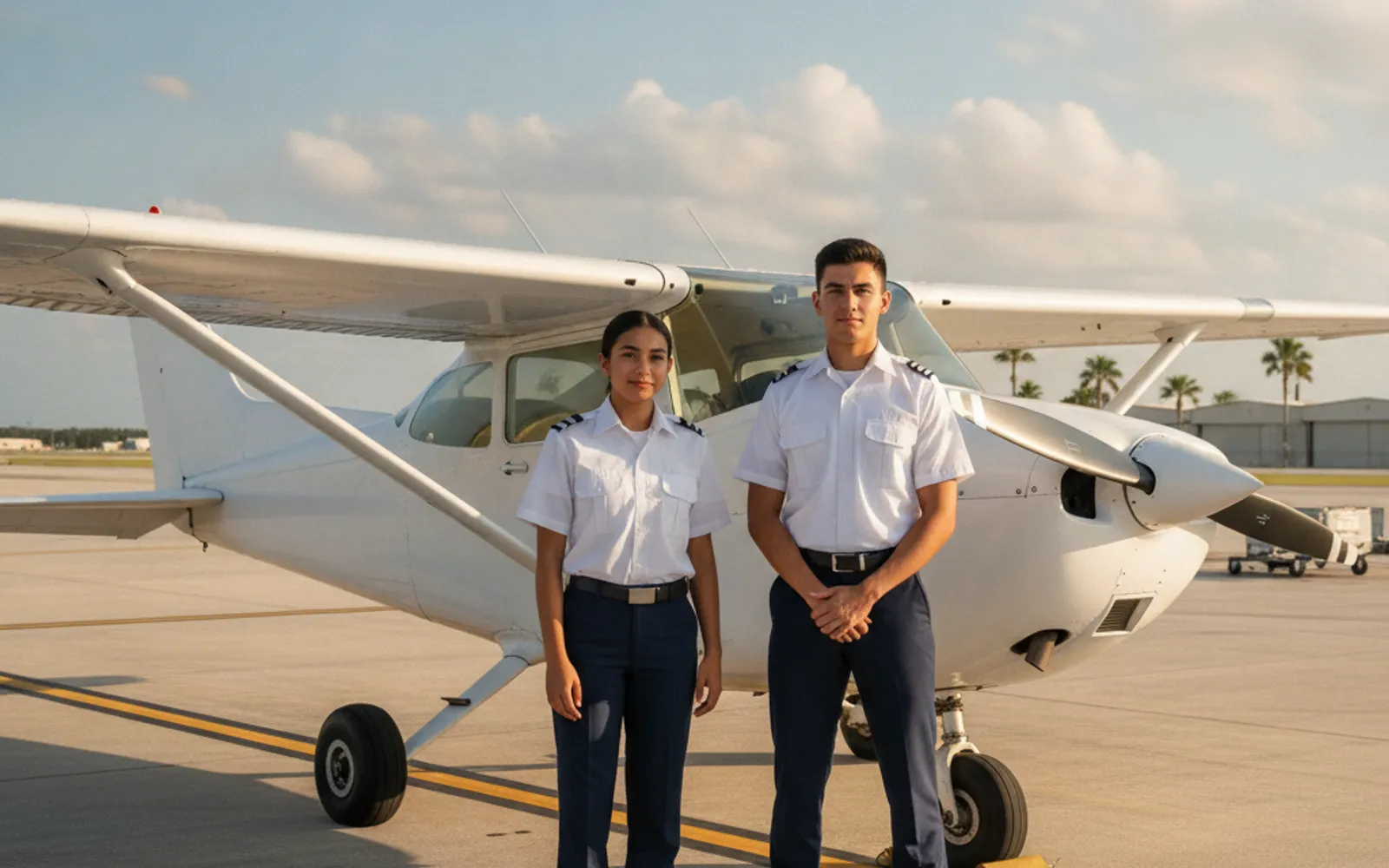
When we think of being a pilot, we imagine a captain’s uniform, a strict dress code, and an automated Boeing 737. But thanks to YouTube and Instagram, a different discipline is capturing the imagination of young pilots: Bush Flying.
It is aviation in its purest, rawest, and most adventurous form. Here there are no control towers, no 10,000-foot paved runways, and no autopilot to do the work for you.
What is Bush Flying and STOL?
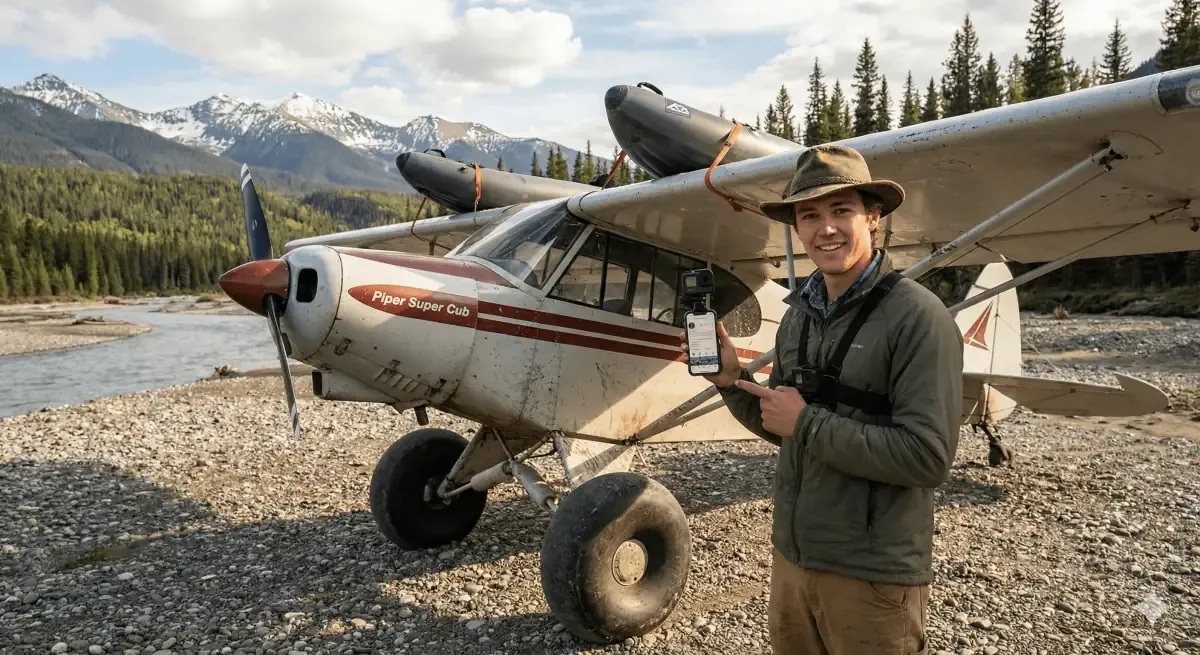
It involves operating small, rugged aircraft in remote terrains. The key to it all is STOL (Short Take-Off and Landing), the ability to take off and land in ridiculously short distances.
In famous competitions like the “Valdez Fly-In” in Alaska, pilots manage to land in less than 30 or 50 feet. To achieve this, they don’t use normal planes, but highly modified machines:
- Tundra Tires: Huge low-pressure balloon tires that act as shock absorbers, allowing landings on large rocks, gravel, or riverbeds without breaking the landing gear.
- Vortex Generators and Slats: Wing modifications that allow the aircraft to fly incredibly slowly (almost at walking speed) without falling out of the sky.
The “Trent Palmer” Effect and Lifestyle
Pilot YouTubers like Trent Palmer, Jonas Marcinko, or Mike Patey have turned this into an aspirational lifestyle. They showcase the absolute freedom of landing on a mountaintop in Idaho or Utah, pulling out a tent, and camping under the wing of your aircraft.
This has created a new career goal for many students: not flying for an airline, but becoming expedition pilots, wildlife conservationists, transport pilots in Alaska, or flying humanitarian missions in Africa and Indonesia.
Superhero Skills: Stick and Rudder
This type of flying turns you into an exceptional pilot because it removes reliance on automation.
- Energy Management: You must know your aircraft perfectly to fly “behind the power curve,” controlling altitude with the engine and speed with the angle of attack.
- Weather Reading: Without modern radar, you must “read” the wind by observing the movement of trees and ripples in the water.
For those seeking adrenaline, connection with nature, and a constant test of skill instead of routine routes, the wild side of aviation offers a career full of epic stories.